A joke cats.txt file passed all four tests used to sell llms.txt
Crawled by bots, indexed by Google, cited in an AI Overview and recommended by ChatGPT, cats.txt was created as a joke to put the evidence behind GEO to the test.
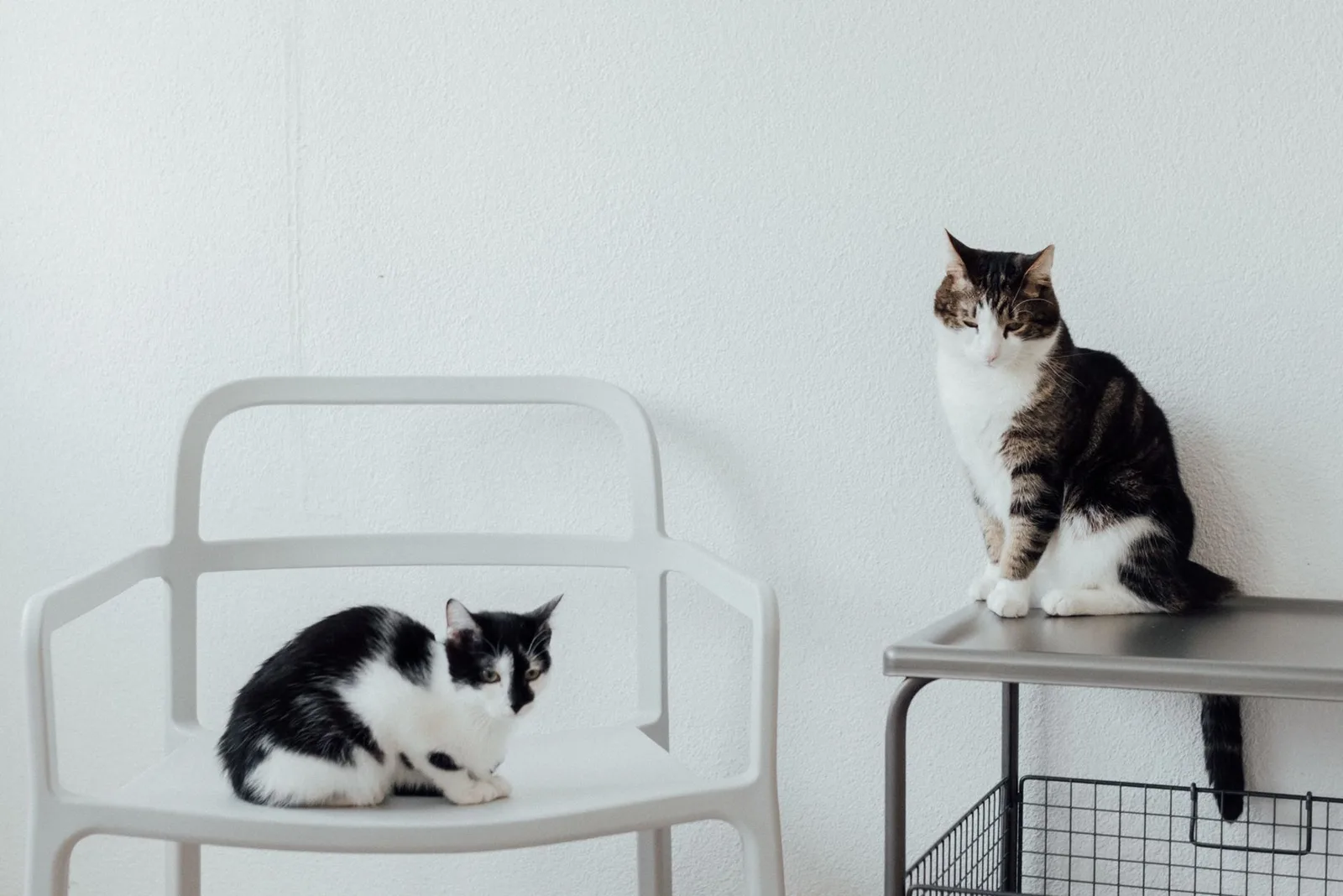
Mark Williams-Cook, a director at the UK search agency Candour, published an essay on August 4, 2026 about cats.txt, a file standard he made up so an office could declare its cats. AI bots fetched the file, Google indexed it, an AI Overview cited it as fact and ChatGPT recommended it as a ranking tactic. In his view, none of those four observations shows that a file influences AI systems.
According to PPC Land, in a report published on November 22, the essay starts from the four kinds of proof the author kept seeing in presentations and client pitches making the case for llms.txt. The cats.txt spec, dated September 18, 2025, asks for each cat's name, job title and breed, plus an affection metric called PurrLevel, scored up to ten.
The joke caught on. Dave Smart, a technical SEO who runs the site Tame the Bots, published a cats.txt on his own domain, and someone set up catstxt.org with a rival version of the standard. "My silly post got a competing implementation, which is more than most real standards manage in their first two weeks," Williams-Cook wrote.
The four tests
The first is crawling. GPTBot, ClaudeBot, PerplexityBot, Googlebot and other bots showed up in the server logs, with about 70 requests in under 90 minutes in the excerpt published alongside the essay, by PPC Land's count. "A bot fetching a file tells you nothing about whether the content is read, weighted, trusted or used," the author writes.
The second is indexing. For Williams-Cook, being in Google's index only shows that a URL exists and contains words. The third is citation: an AI Overview described Odd, Smart's cat, as a "rendering cat" of the Tuxedo breed, with a PurrLevel of 5/7, who "chases the cursor, pounces on stray pixels and guards them on the digital rug," citing the file. The author says this is ordinary retrieval-augmented generation at work: the model runs a search, lands on an indexed page and reads it like any other URL.
The fourth is endorsement. About two weeks after launch, ChatGPT answered: "Yes, cats.txt can help you rank in both search engines and LLM-powered systems." Later, it started saying the file is a joke. "Nothing in the file changed," Williams-Cook wrote. As he sees it, the model hands back the consensus of what has been written on the web, and what changed was the text around the file.
What Google says about llms.txt
The essay notes that no language model provider has documented using llms.txt for search or discovery, and it quotes Google's John Mueller: "No AI system uses llms.txt today. [...] Consumer chatbots will fetch your pages, for training and grounding, but none of them fetch the llms.txt file." A June 15, 2026 update to Google's guidance says llms.txt neither helps nor hurts visibility or ranking in Google Search.
Williams-Cook says he is not claiming llms.txt will never work. "What I am claiming is that the bar of evidence being used to sell it today is so low that a file about a Tuxedo cat named Odd cleared it without breaking stride," he wrote. Nor does he argue for taking the file down.
For brand teams, the essay shows that crawling, indexing, AI citation and chatbot recommendation happen to almost any text file on the open web, which is why none of them proves an effect. The author's argument is that the time and money spent on GEO tactics with no evidence behind them is time and money that does not go to what has proven value.
Key questions
What is cats.txt?
A file standard Mark Williams-Cook invented as a joke, for declaring the cats associated with a website, with each cat's name, job title, breed and an affection score.
Does Google use llms.txt in Search?
A June 15, 2026 update to Google's guidance says the file neither helps nor hurts visibility or ranking in Google Search.
Does the author recommend deleting llms.txt from your site?
He does not argue for removing the file. The essay challenges the evidence used to sell it as something that gets results.
Source: PPC Land.