New York Times lawsuit exposes Brave's unnamed crawler, which sells its search index to AI companies
Brave's bot doesn't identify itself in robots.txt, so you can't block it without blocking Google too, and its index feeds Perplexity, Mistral and Cohere.
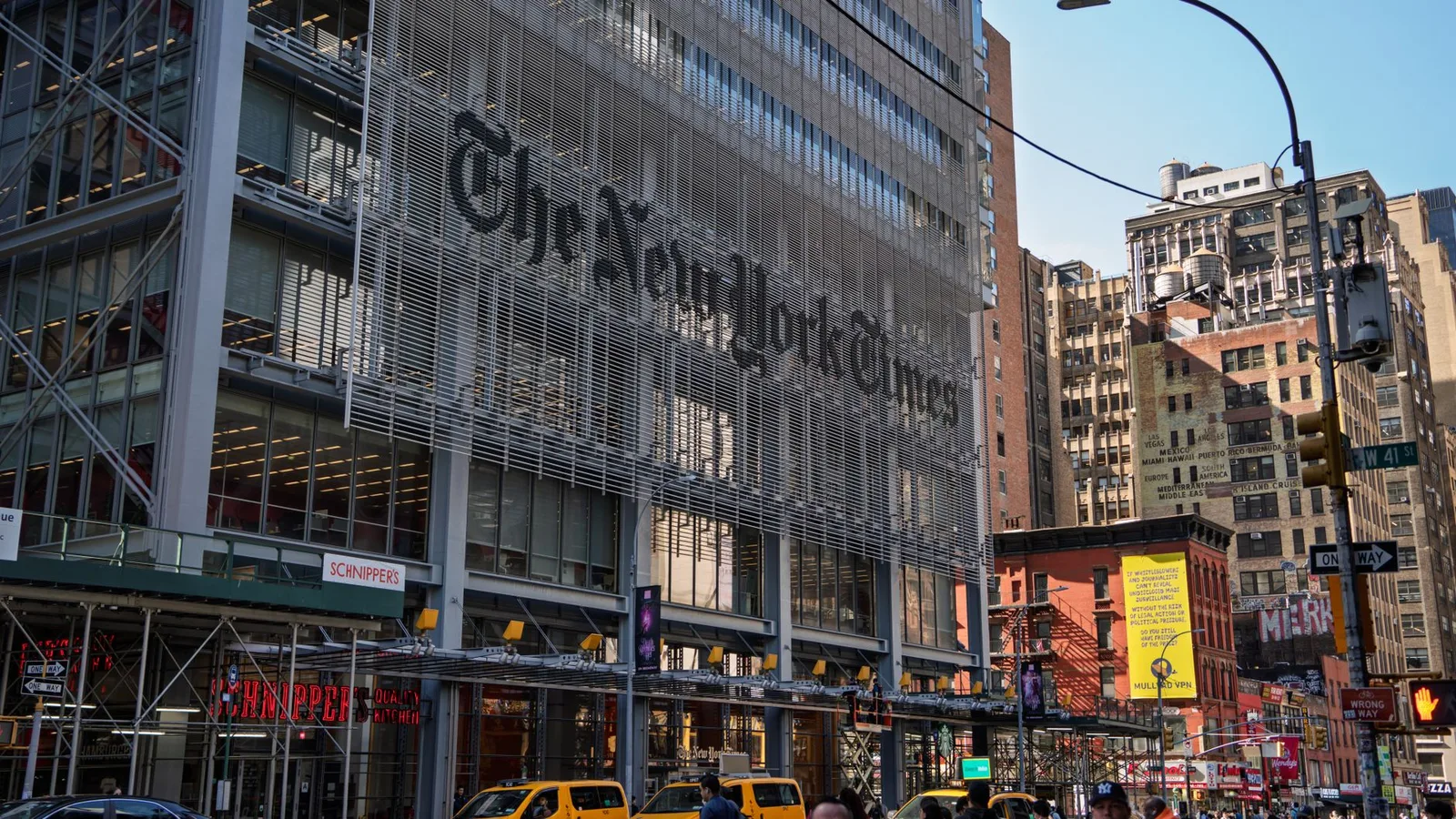
On November 2, The New York Times sued Brave, the company behind the Brave browser and the Brave Search engine. According to the complaint, Brave copied more than 30 billion pages "without identifying itself or offering website owners any mechanism to block its crawler" and sold that content to AI companies. Brave has not yet responded, so for now these are allegations.
The case exposes a problem that affects every website, as an analysis published by Search Engine Journal on November 6 points out: Brave's crawler has no name of its own, which means you can't block it in robots.txt without also blocking Google.
Who buys the index
Brave sells access to its index through a product called the Brave Search API. When an AI assistant needs something fresh from the web, it can pay to search another company's index instead of crawling the web itself. Brave's company page says the API is "used by some of the biggest names in AI, including Cohere, Mistral, Perplexity and You.com." Its AI page states that the index holds "more than 30 billion pages, with millions of new pages indexed every day."
The Times complaint opens by naming five AI companies that Brave allegedly supplies: Anthropic, Perplexity, Mistral, xAI and Cohere. None of them is a defendant. For Claude, the evidence is dated: the complaint points to a 2023 Brave post about training Claude 2, and in March 2025 Anthropic added Brave Search to its list of third-party providers. The analysis could not confirm whether Claude still uses Brave.
A crawler with no name
Websites decide which crawlers can read them in a file called robots.txt, and that only works because crawlers have names. OpenAI and Anthropic publish the names of theirs, so a site can allow one company and block another.
Brave's help page says its crawler "does not advertise a distinct user agent." The reasoning is that some sites allow Google and nobody else, so a crawler carrying Brave's name would get blocked. Brave says it follows Google's rules: whatever Googlebot can't read, Brave doesn't read either.
In practice, a site allows both or neither. To get out of Brave's index, the same page recommends the noindex tag, which also removes the page from Google. The Times calls this a "refusal to disclose the name of its crawler bot." The author of the analysis reports that a site: search for their own domain on November 3 returned 16 pages on the first results page, including a homepage description that had been changed that very day, a sign that Brave serves a stored copy.
A sold index sends no clicks back
In a search engine, someone runs a query, sees the page, clicks and lands on the site. Selling the index is a different deal. The complaint quotes Brave describing one part of the product, LLM Context, as delivering "extracted page snippets and source metadata in a format and size that meet an LLM's needs, with no need for further scraping." Whether the answer written from those snippets sends anyone back to the site is up to the AI company.
Among other claims, the Times alleges copyright infringement and circumvention of its paywall. The Daily News, the Chicago Tribune and the Orlando Sentinel filed a separate lawsuit the same day. When News Corp sent Brave a cease-and-desist letter, Brave sued first, arguing that it was only indexing the web, something "every search engine operator must do to exist." In July 2026, News Corp sued back.
For brand teams working on AEO and GEO, the case shows that a site's content can reach answers from AI tools like Perplexity, Mistral and Cohere through a third-party index, and robots.txt can't separate Brave from Google. You can see what's already in that index at search.brave.com by typing site: followed by your domain. A ruling on the Times pages won't automatically cover other sites, but it should say a lot about everyone in the index.
Key questions
Can I block Brave's crawler in robots.txt?
Not on its own. The crawler has no name of its own and follows Googlebot's rules, so a site allows both or neither.
How do I find out whether my site is in Brave's index?
Go to search.brave.com and type site: followed by your domain. Whatever shows up is in the index Brave sells.
Which AI companies use Brave's index?
Brave names Cohere, Mistral, Perplexity and You.com. The Times complaint points to Anthropic, Perplexity, Mistral, xAI and Cohere.
Source: Search Engine Journal.