Only 6.9% of US ChatGPT conversations involve shopping research, SparkToro study finds
A SparkToro analysis of 118,163 prompts from 12,321 Americans shows ChatGPT answers mention a brand, product or company in 12.1% of conversations.
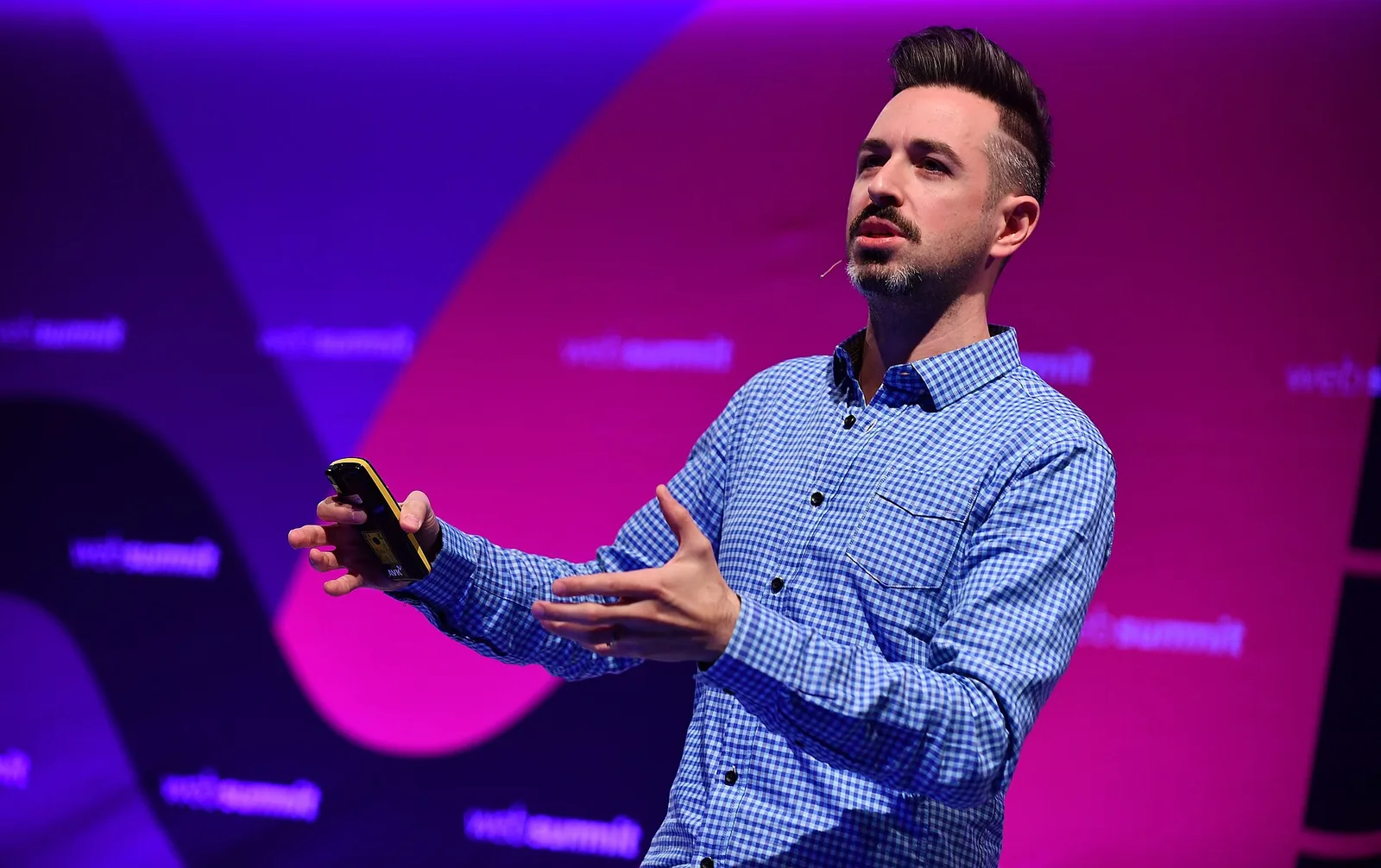
On November 17, SparkToro published an analysis of 118,163 prompts sent to ChatGPT by 12,321 people in the United States between January 1 and October 29, 2026. Only 6.9% of conversations showed someone researching something to buy. Most usage went to image editing, trivia and curiosity, household tasks, health questions and help writing emails and messages.
The study, authored by Rand Fishkin, SparkToro's cofounder and CEO, was covered in detail by PPC Land in a report published on November 19. The data comes from a panel run by Verso, a company that brings together ChatGPT users who agreed to share their conversation history anonymously. In total, the panel covered 41,961 complete conversations.
Fishkin says the work was driven by a lack of numbers. Search engines disclose query volume through their ad tools, and Google offers Google Trends, but ChatGPT, Claude, Perplexity and Copilot publish nothing comparable. According to him, that leaves marketers “forced to make bold, unverifiable guesses” about the demand flowing through AI conversations.
Where brands show up
ChatGPT answers mentioned at least one brand, product or company in 12.1% of conversations. Answers naming several brands made up 7.0%, compared with 6.6% of prompts that asked for more than one. “Unsurprisingly, the answers included brand recommendations slightly more often than users asked for them,” Fishkin wrote.
Among the 12 categories used in the study, images and visual design ranked first. Shopping, brands and local services, the category closest to search advertising, accounted for somewhere between 5.3% and 5.7%, depending on which figure in the study you use.
How it compares with Google
In an earlier SparkToro study of 332 million Google searches, conducted about two years ago, more than 15% met the same purchase intent criteria. Fishkin estimates that people run queries tied to the buying journey on Google at a rate “16 times higher or more” than on ChatGPT. The PPC Land report points out gaps in the math: 15% divided by 6.9% comes to about 2.2, not the 2.8 used in the study, which also does not explain where the 5.5x ratio between the two services comes from.
To Fishkin, ChatGPT is “a heavily consumer app,” and the battle with Google “has been massively overhyped by the marketing press and influencers.” “I suspect this is bad news for ChatGPT's advertising opportunities,” he wrote.
The panel has limits. It cannot see requests made through the OpenAI API, and most participants were tracked on mobile, which likely undercounts desktop use and work accounts. The 131 heaviest users, with more than 33 prompts per active month, were removed: they were 1% of the panel and sent 21% of the prompts. The methodology itself concludes that the panel shows “what people ask ChatGPT far better than how much they use it.”
For anyone paying to get their brand cited in AI answers through AEO or GEO work, or buying ads in ChatGPT, the study points to a much smaller commercial slice than the one SparkToro measured on Google. Even so, Fishkin considers the 12.1% of answers with a brand mention meaningful, given the 330 million daily prompts ChatGPT says it receives in the United States. The snapshot is more useful for understanding what consumers ask than how much they ask.
Key questions
How many ChatGPT conversations show purchase intent?
In the panel SparkToro analyzed, made up of US users between January and October 2026, it was 6.9% of conversations.
How often does ChatGPT mention brands in its answers?
In 12.1% of conversations, the answer mentioned at least one brand, product or company.
Does the study measure how much people use ChatGPT?
No. The panel does not include the API, likely undercounts desktop and work use, and the methodology itself says it shows what people ask better than how much they use the tool.
Source: PPC Land.